
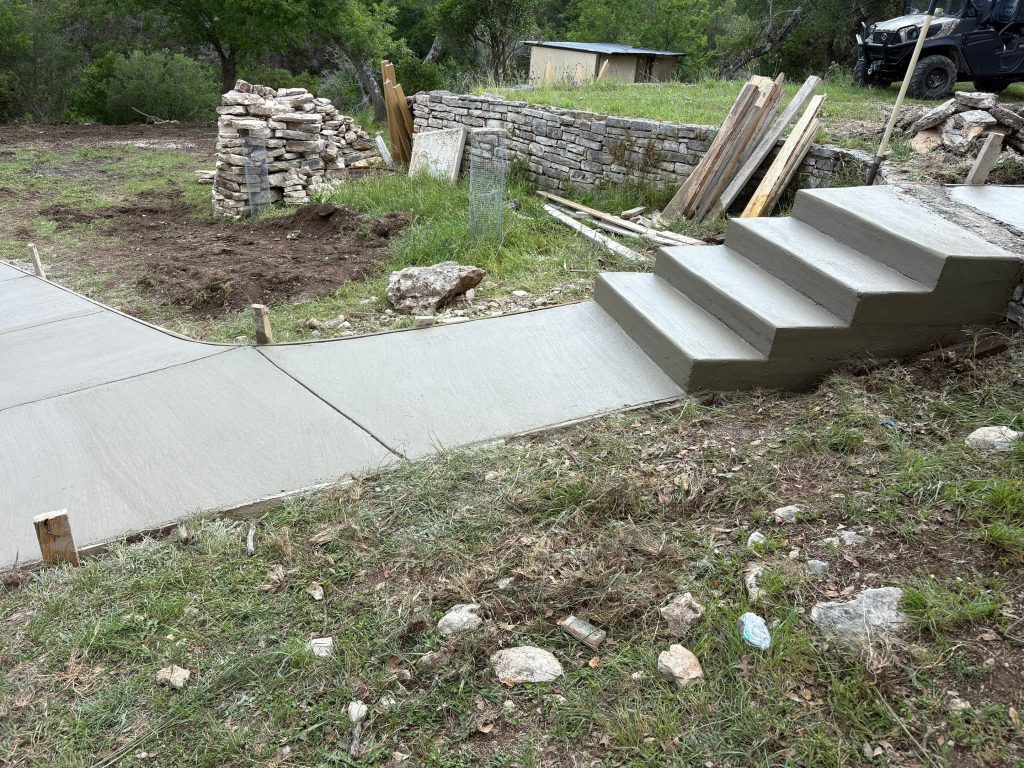
Built for Texas: How Hill Country Soils Impact Your Foundation
Texas expansive clay and caliche soil create tough challenges for any foundation. If your build isn’t tailored to these conditions, expect cracks and costly repairs down the road. Understanding how limestone shelves and shifting soils affect foundation design in Texas can save you time and money. Keep reading to learn how Valor Concrete Company handles site preparation and engineered foundations built to last in the Hill Country. For further insight, check out this resource on how Texas soils affect your foundation.
Understanding Hill Country Soils
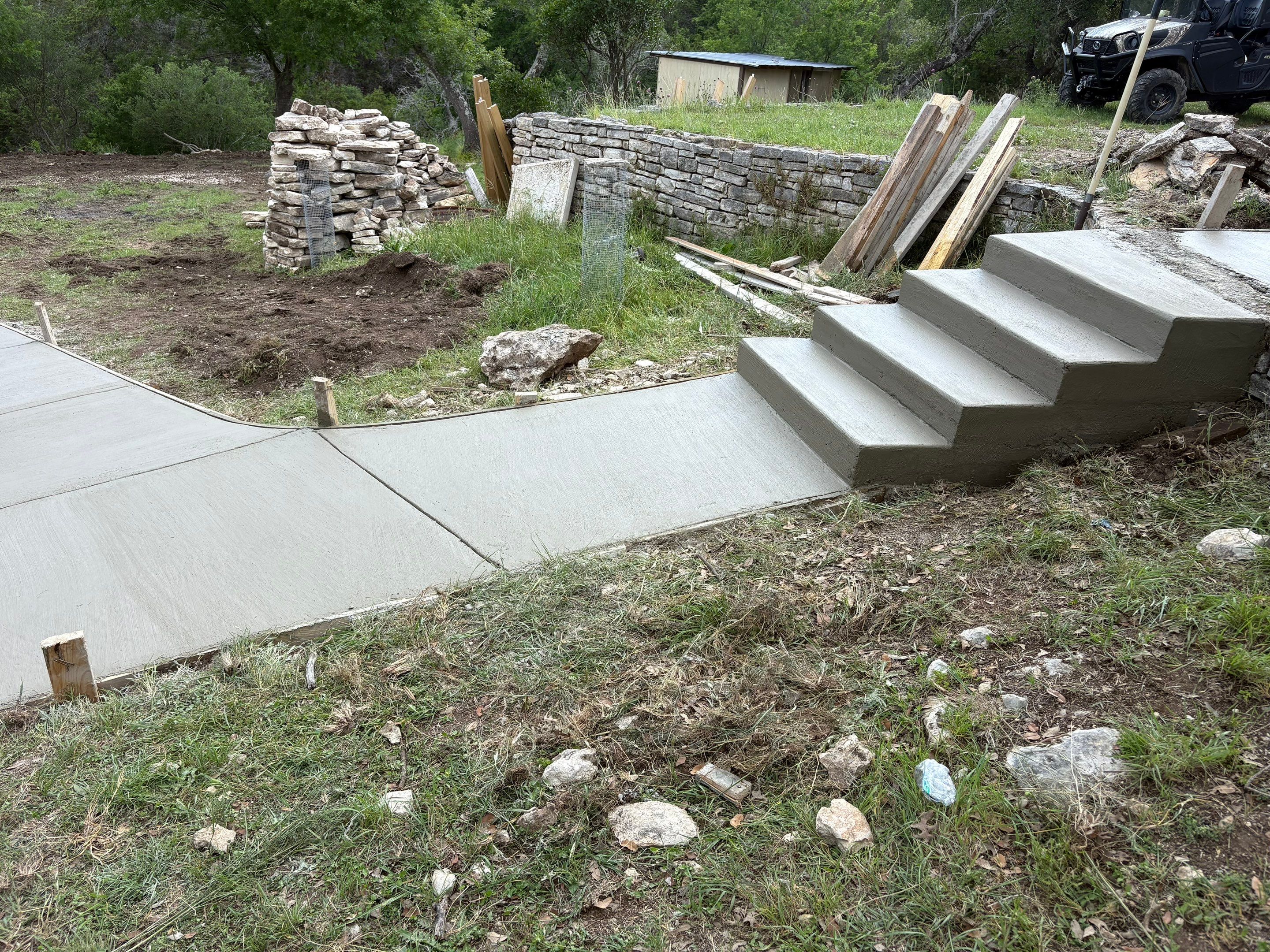
Texas soils present unique challenges that demand specific solutions. Knowing what you’re dealing with can prevent costly repairs. Let’s explore the specific types of soils found in this region.
Texas Expansive Clay Challenges
Expansive clay is common in Texas and can wreak havoc on foundations. It absorbs water, swells, and causes concrete to shift. When it dries, it shrinks and leaves gaps under your foundation. This cycle can lead to cracks and other structural issues.
To combat this, it’s crucial to design foundations with moisture control in mind. Most people think a standard slab will suffice, but the reality is different. You need strategies like proper drainage and moisture barriers. These elements help minimize the risk of movement and damage. Learn more about the impact of clay soils on foundations.
Caliche Soil Texas Characteristics
Caliche soil is another challenge. It’s rocky and hard, often requiring specialized equipment for digging and preparation. This soil type can provide stability once adequately prepared, but ignoring it can lead to foundational troubles.
Using the right tools and techniques is key. Valor Concrete experts know how to handle caliche effectively. Some might underestimate its difficulty, but proper site prep ensures a solid base for any structure. Visit this link to see how caliche soil affects foundations.
Limestone Shelf Hill Country Effects
The Hill Country also features limestone shelves. These natural formations offer stability but require precise engineering. Building over or around them demands careful planning. Failing to account for limestone can lead to uneven settling.
Our approach involves detailed site surveys and strategic engineering. By respecting the land’s natural formations, we create foundations that stand the test of time. Most people overlook these details, but they are crucial for lasting construction. Check out more about limestone’s impact on construction.
Foundation Design Considerations
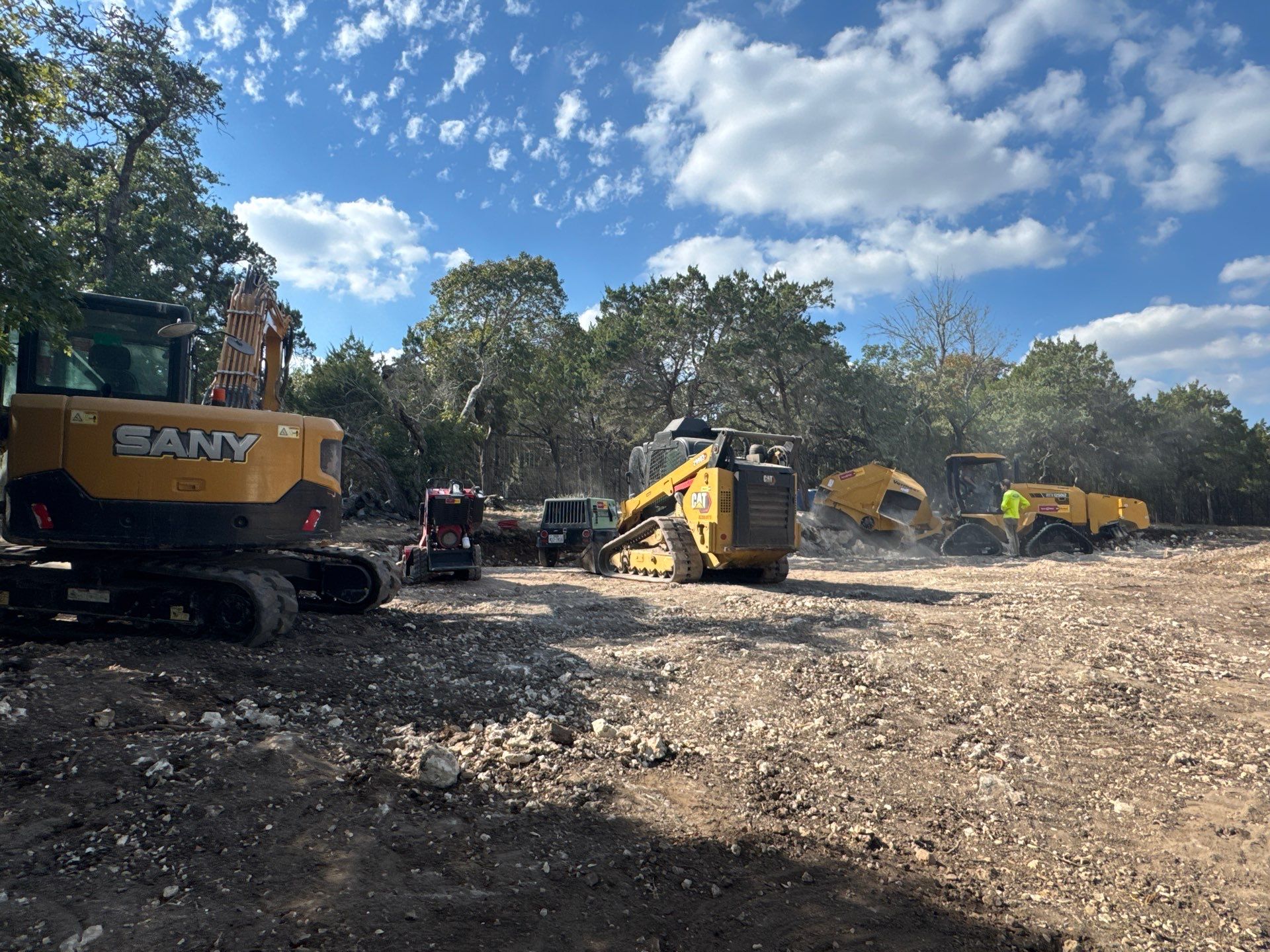
Understanding the soil is just the start. Next, we explore how to design foundations that handle these unique challenges. Whether you’re a homeowner or a builder, these insights will guide your decisions.
Post-Tension Slab Benefits
A post-tension slab is a concrete slab reinforced with steel cables. This design is perfect for Texas soils. The tensioned cables provide strength and flexibility, reducing cracking risks.
This method excels in expansive clay areas, where movement is inevitable. It offers a robust solution to keep your foundation intact. While some may think it’s overkill, the benefits of a post-tension slab are undeniable.
Pier and Beam Foundation Insights
Pier and beam foundations elevate buildings, making them ideal for tricky terrains. This design allows for easy access to utilities and can adapt to soil shifts.
Piers anchor the structure deep into stable ground, while beams support the building above. This flexibility makes it a popular choice for uneven or shifting soils. Many assume it’s old-fashioned, but it’s a proven technique for tough locations.
Grade Beam Applications
Grade beams are a crucial component in foundation construction. They distribute loads evenly and tie different elements together.
In Texas, grade beams are invaluable for supporting heavy structures over varied terrains. They work well with other foundation types to ensure stability and longevity. While some may overlook them, grade beams offer peace of mind when dealing with unpredictable soils.
Valor Concrete Expertise
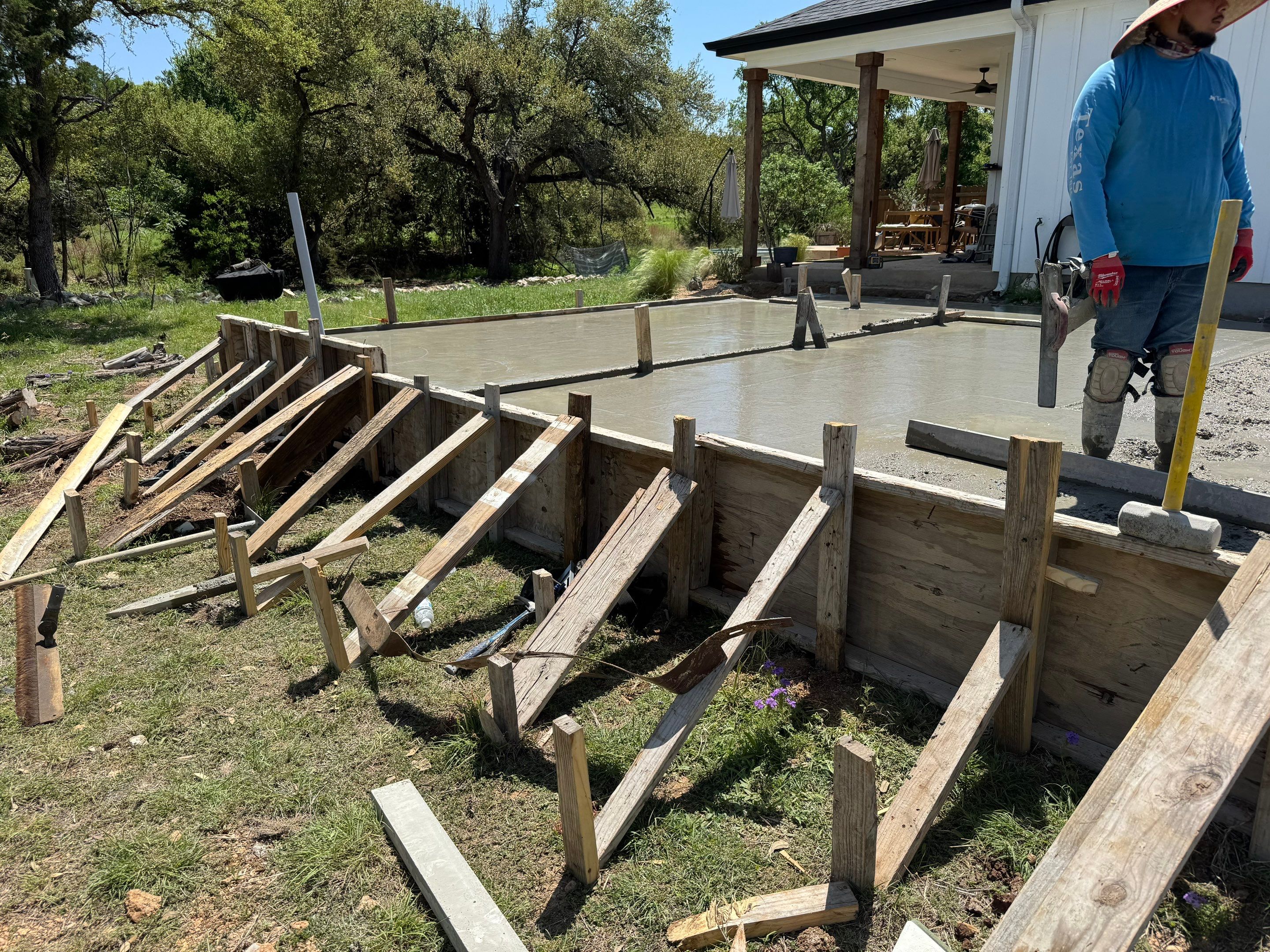
When it comes to foundations, experience matters. Valor Concrete offers expertise honed over decades. Our approach ensures your project is ready to face Texas soil challenges head-on.
Site Preparation South Central Texas
Site preparation is the first step in any construction project. Proper clearing and grading are essential for laying a strong foundation.
At Valor, we prepare sites meticulously, considering soil type and project needs. Some contractors cut corners, but we prioritize durability and quality. Our methods ensure your foundation is built to last.
Soil Testing San Antonio Services
Understanding soil conditions is vital for any build. Soil testing reveals the strengths and weaknesses of your site.
We offer comprehensive soil testing services in San Antonio. By analyzing the ground, we tailor solutions to fit your project’s demands. This step is often skipped, but it’s crucial for a reliable foundation.
Moisture Conditioning and Compaction Testing
Water management is key in Texas. Moisture conditioning controls soil water content, preventing unwanted shifts.
Compaction testing ensures the ground supports your structure. We provide both services to guarantee stability and longevity. Ignoring these can lead to disaster, but our attention to detail keeps your foundation secure.
By understanding these elements, you’re better equipped to tackle foundation challenges in Texas. Valor Concrete Company is here to support your next project with expertise and dedication.