
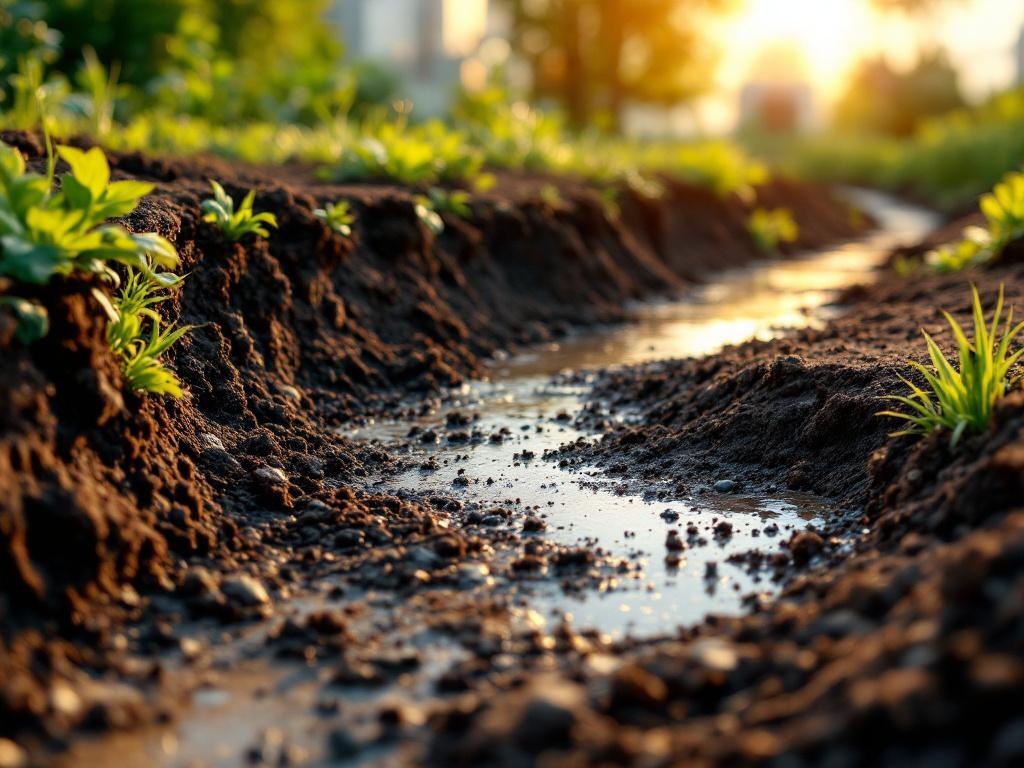
Understanding Soil and Drainage for Durable Concrete Installations in the Texas Hill Country
When it comes to concrete installations in Texas Hill Country, understanding the local soil and drainage conditions is vital for ensuring durability. Different soil types, like clay and sandy soils, can significantly impact your project’s longevity. Neglecting these factors might lead to costly repairs down the line. So, how do you assess your site’s unique characteristics to achieve a durable concrete installation? The answer lies in a closer look at soil composition and effective drainage techniques that can make all the difference.
Let’s Discuss!
- Assess soil types in the Texas Hill Country, focusing on sandy, clay-rich, and rocky soils to determine drainage needs for concrete installations.
- Proper drainage solutions, like French drains, can mitigate water accumulation and protect concrete from damage caused by moisture.
- High clay content in soils can lead to poor drainage and structural issues; consider soil amendments to improve porosity before installation.
- Evaluate site topography to ensure proper water runoff away from foundations, reducing risks of flooding and concrete cracking.
- Conduct thorough soil testing to identify potential drainage issues early, saving time and money on future repairs and maintenance.
The Unique Soil Types of the Texas Hill Country
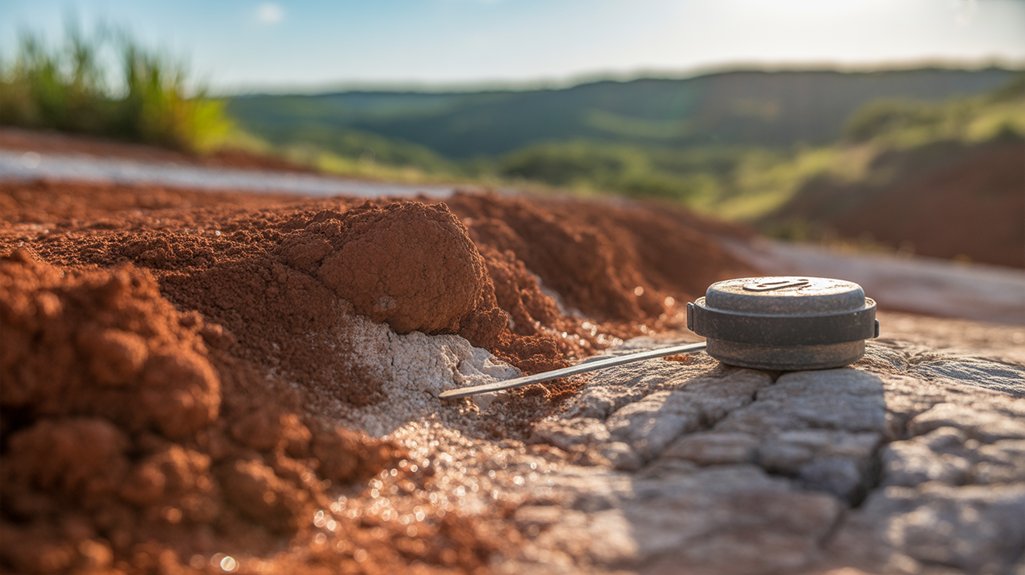
When you explore the Texas Hill Country, you’ll quickly notice the diverse range of soil types that can significantly impact your concrete installation. The area’s unique geology features a mix of sandy, rocky, and clay-rich soils. Clay content is particularly crucial, as it affects moisture retention and expansion. High clay content can lead to shifting soils, which might compromise the integrity of your concrete. On the other hand, sandy soils provide better drainage but can lack the stability needed for heavy installations. Understanding these soil types is essential for choosing the right preparation and mix for your concrete.
How Soil Composition Affects Drainage for Concrete Installations
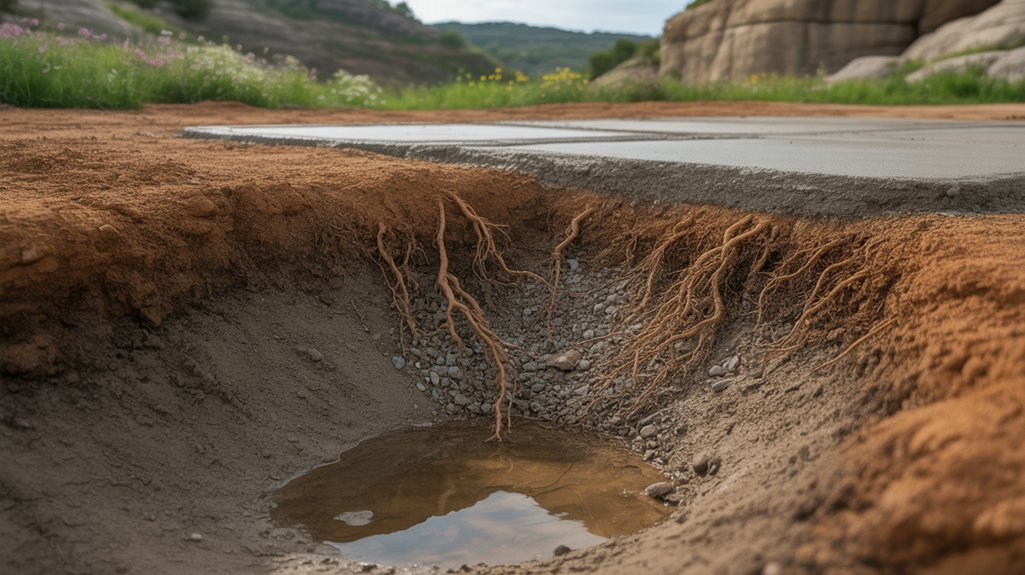
The image above is just an example, so that you can see below the surface. Soil composition plays a crucial role in how effectively water drains, which is essential for successful concrete installation. Understanding the various soil types in your area helps you identify the best drainage solutions. Consider these factors:
- Clay soils retain water, leading to poor drainage and increased risk of flooding.
- Sandy soils drain quickly, reducing water retention but may require more maintenance to prevent erosion.
- Loamy soils offer a balance, providing sufficient drainage while retaining moisture for plant growth.
When you assess your soil type, you can implement appropriate drainage solutions, like installing French drains or adjusting grading, to ensure your concrete installation remains durable and functional.
The Importance of Proper Drainage in Concrete Projects
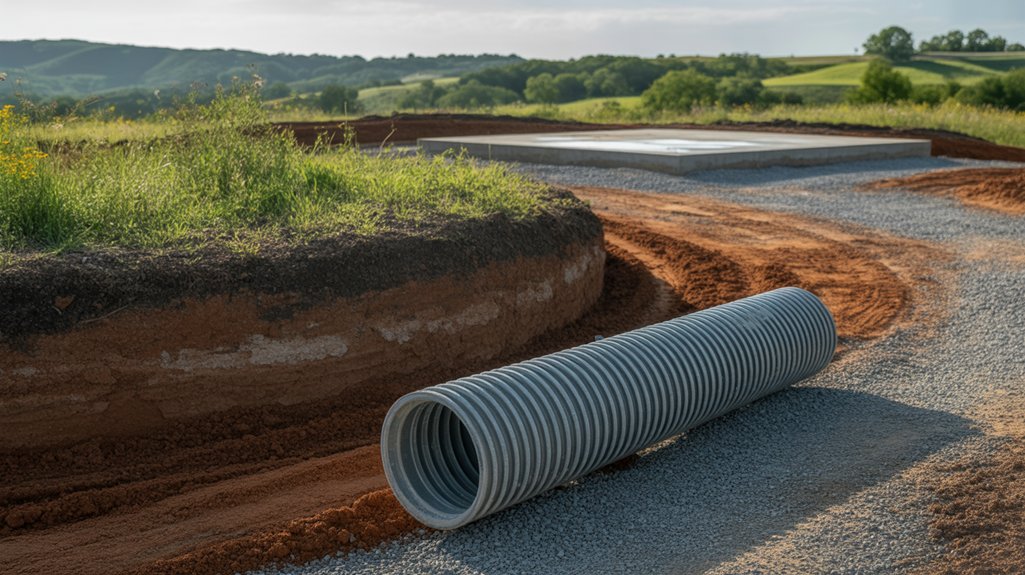
Proper drainage is vital for concrete installations, because it directly impacts the longevity and structural integrity of your installation. Without effective water management, moisture can accumulate, leading to cracks, erosion, and even structural failure. By implementing appropriate drainage solutions, you ensure that water flows away from your concrete, reducing the risk of damage over time. It’s essential to assess your site’s topography and soil type to select the most effective drainage methods. Consider options like French drains or surface grading to enhance water flow. Investing time and resources in proper drainage not only protects your concrete but also saves you from costly repairs in the future.
Identifying Drainage Issues Before Concrete Installation
How can you spot potential drainage issues before pouring concrete? Conducting a thorough drainage assessment and soil testing can reveal critical problems that could affect your installation. Here are three key indicators to watch for:
- Standing Water: Look for areas where water collects after rain; this signals poor drainage.
- Soil Texture: Examine the soil; clay-heavy soil can retain moisture, leading to drainage issues.
- Slope of the Land: Check if the area slopes towards the foundation; this can exacerbate water accumulation.
Addressing these issues early on can save you time and money in the long run, ensuring your concrete installation is durable and effective in the Texas Hill Country’s unique conditions.
Techniques for Improving Soil Drainage for Concrete Installations
While you may encounter drainage challenges, several effective techniques can significantly improve soil drainage before pouring concrete. First, consider using proper drainage techniques, such as installing French drains or swales to redirect excess water away from your site. You can also enhance soil structure by incorporating soil amendments like organic matter or sand, which improve porosity and allow better water infiltration. Another method is to create a slight slope away from the foundation, promoting runoff and preventing pooling. Regularly monitoring soil moisture levels helps you identify when additional adjustments are necessary.
Best Practices for Preparing Soil for Concrete
Before pouring concrete, it’s crucial to ensure the soil is well-prepared. Proper preparation enhances soil compaction and moisture retention, leading to a more durable foundation. Here are some best practices to follow:
- Clear the area: Remove any debris, vegetation, or loose soil that could compromise your installation.
- Moisten the soil: Lightly water the area to improve compaction and prevent air pockets, but avoid over-saturating.
- Compact the soil: Use a mechanical compactor to achieve even soil density, ensuring the ground can support the weight of the concrete.
Choosing the Right Concrete Mix for Local Conditions
After ensuring the soil is properly prepared, the next step is selecting the right concrete mix tailored to your local conditions for your concrete installation. You’ll need to consider concrete formulation considerations like climate, soil type, and moisture levels. In the Texas Hill Country, where temperatures can swing dramatically, a mix that withstands these fluctuations is crucial. Look for regional mix adaptations that incorporate local aggregates and admixtures, which can improve durability and performance. For instance, using a blend with higher cement content may enhance strength in areas prone to drought. Always consult with local suppliers to find the best options, ensuring your concrete installation stands the test of time in your specific environment.
Preventing Erosion and Soil Movement Around Concrete
To prevent erosion and soil movement around your concrete installations in Texas Hill Country, it’s essential to implement effective strategies early on. By focusing on erosion control and soil stabilization, you can ensure the longevity of your concrete work. For additional tips on managing drainage, visit this guide on drainage management from Texas A&M AgriLife Extension. Here are three key strategies to consider:
- Grading: Shape the landscape to direct water away from your concrete, reducing runoff and potential erosion.
- Planting Vegetation: Use deep-rooted plants and grasses to anchor the soil, providing natural erosion control while enhancing aesthetics.
- Installing Retaining Walls: These structures help hold soil in place, preventing movement and stabilizing the area surrounding your concrete.
Successful Concrete Installations in the Hill Country
Concrete installations in the Texas Hill Country can thrive when designed with the right considerations, showcasing the region’s unique landscape. By looking around, you’ll find several examples highlighting effective installation techniques that ensure durability and aesthetics for your concrete installation in the Texas Hill Country:
- A residential driveway built with proper drainage strategies prevents water pooling and erosion.
- A public plaza uses permeable concrete, promoting water infiltration and reducing runoff.
- A commercial building’s foundation incorporates expansive soil management, ensuring stability despite shifting ground.
These examples demonstrate that taking local soil and drainage conditions into account leads to successful concrete installations.
Frequently Asked Questions
What Is the Best Time of Year for Concrete Installation in Texas?
The best time for concrete installations in Texas Hill Country is spring or fall. Seasonal considerations, like temperatures and rainfall, impact curing. Plan your projects during these seasons to ensure optimal conditions for long-lasting results.
How Does Temperature Affect Concrete Curing in the Hill Country?
Temperature fluctuations can significantly impact concrete curing for concrete installations in the Texas Hill Country. To ensure proper strength, you’ll want to use effective curing methods, adjusting them based on the temperature to prevent issues like cracking or weakened structure.
Can I Use Recycled Materials in My Concrete Mix?
Yes, you can use recycled materials in your concrete mix. Incorporating recycled aggregates not only enhances strength but also brings environmental benefits, reducing waste and lowering your carbon footprint while promoting sustainable construction practices.
In the Texas Hill Country, understanding soil and drainage is key to ensuring your concrete will stand the test of time. By assessing soil types, addressing drainage issues, and choosing the right concrete mix, you can prevent structural damage and extend your project’s lifespan. Remember to implement erosion control measures and maintain your concrete regularly. Ready to create a durable concrete installation? Contact us today to discuss your project!